Best Seasons for Concrete Installation
Concrete installation timing is crucial for ensuring durability and optimal curing. Weather conditions, temperature, and humidity significantly influence the quality and longevity of concrete structures. Proper planning based on seasonal patterns can lead to better results and reduced risk of cracks or delays.
Spring offers moderate temperatures and lower humidity, ideal for concrete curing. It minimizes the risk of rapid drying or freezing, which can compromise strength.
Summer provides longer daylight hours but requires measures to prevent quick drying and cracking due to high temperatures. Proper hydration and shade are recommended.
Fall temperatures are generally cooler and more consistent, reducing stress on freshly poured concrete. It is often considered optimal for large projects.
Cold weather can hinder curing and increase the risk of freeze-thaw damage. Special additives or heating methods are necessary if installation occurs during winter.
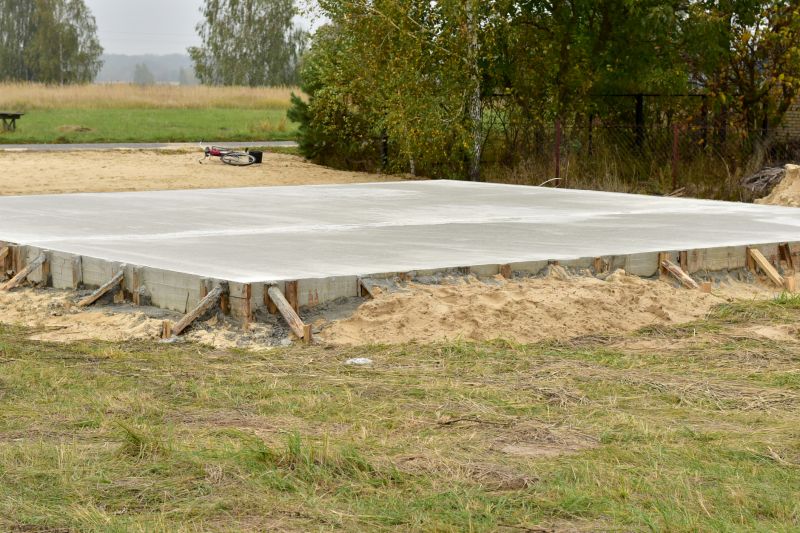
Spring weather conditions support strong and durable concrete installations.
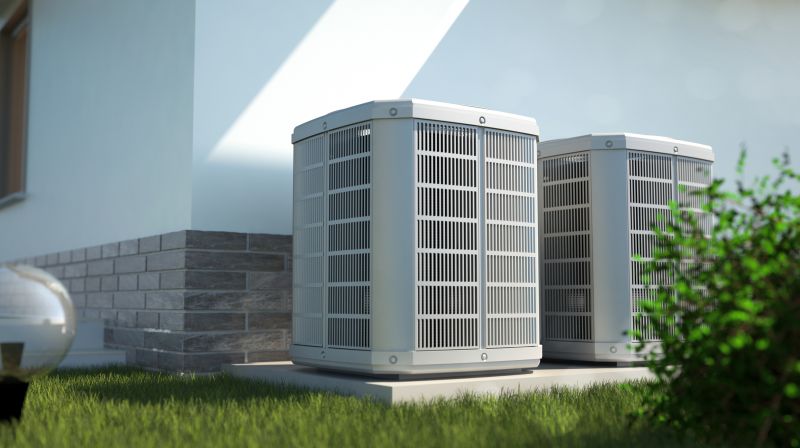
Proper hydration and shade help mitigate high temperature effects.
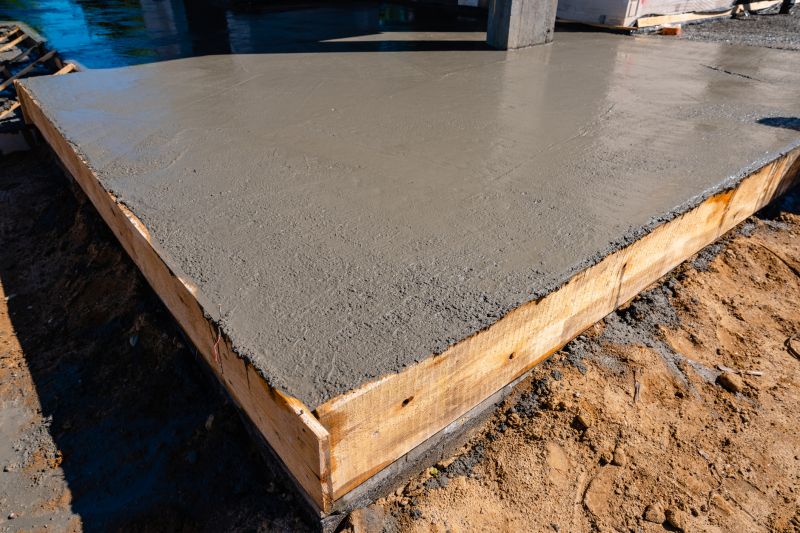
Cooler temperatures promote optimal curing conditions.
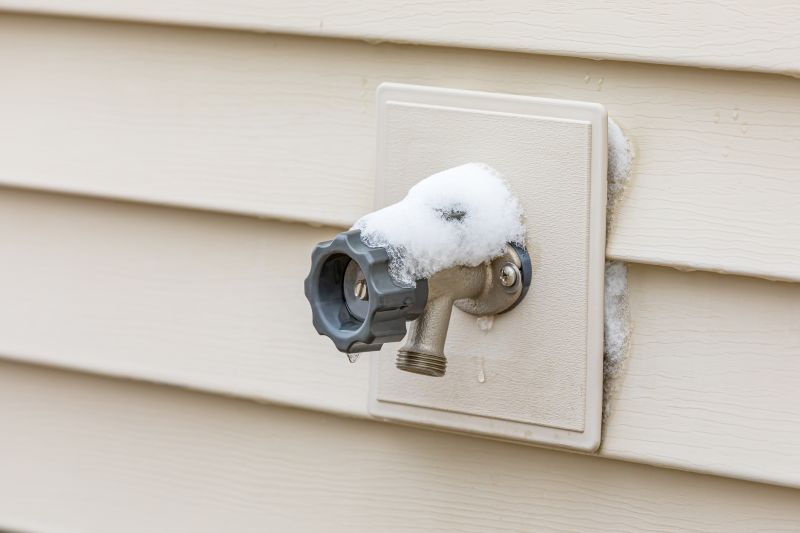
Cold temperatures require special procedures for successful installation.
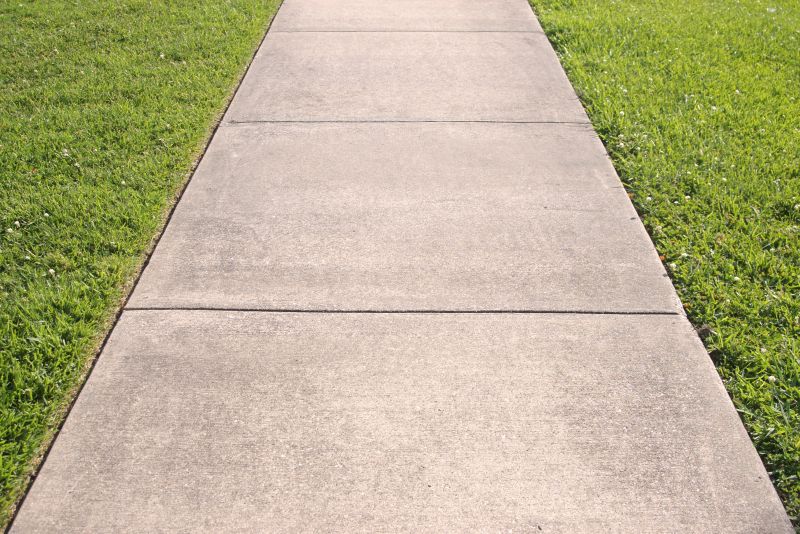
Ways to make Concrete Installations work in tight or awkward layouts.
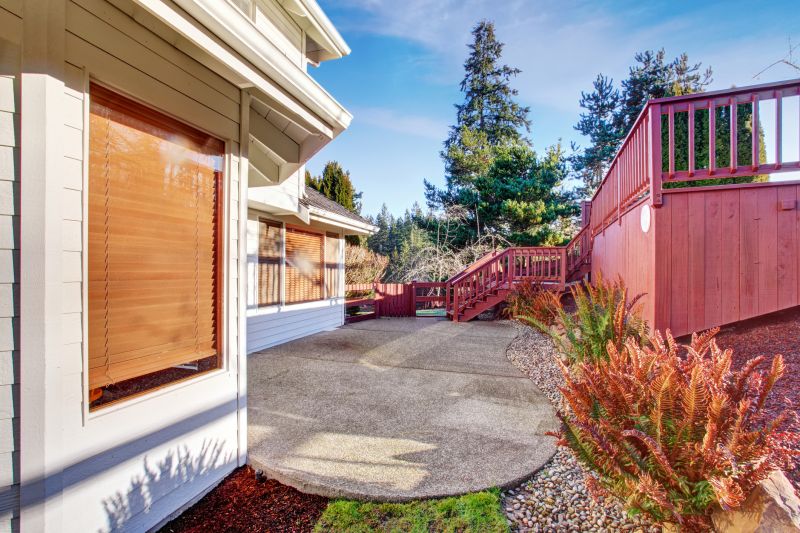
Popular materials for Concrete Installations and why they hold up over time.
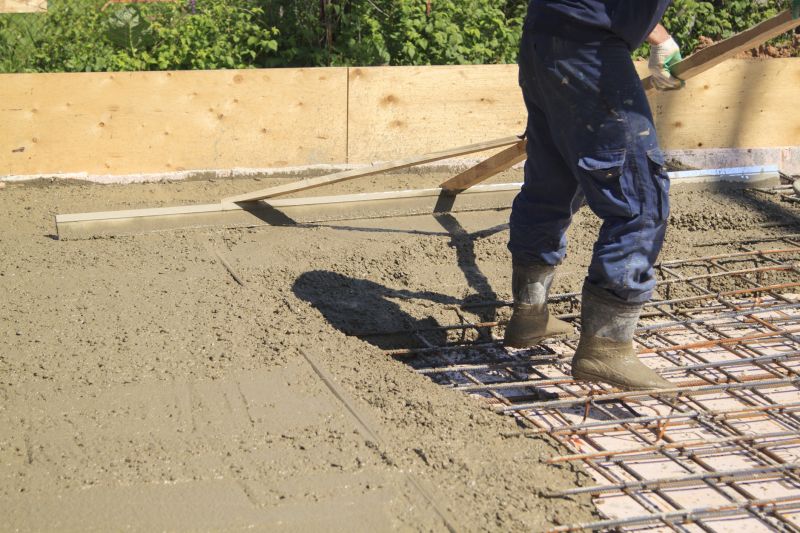
Simple add-ons that improve Concrete Installations without blowing the budget.
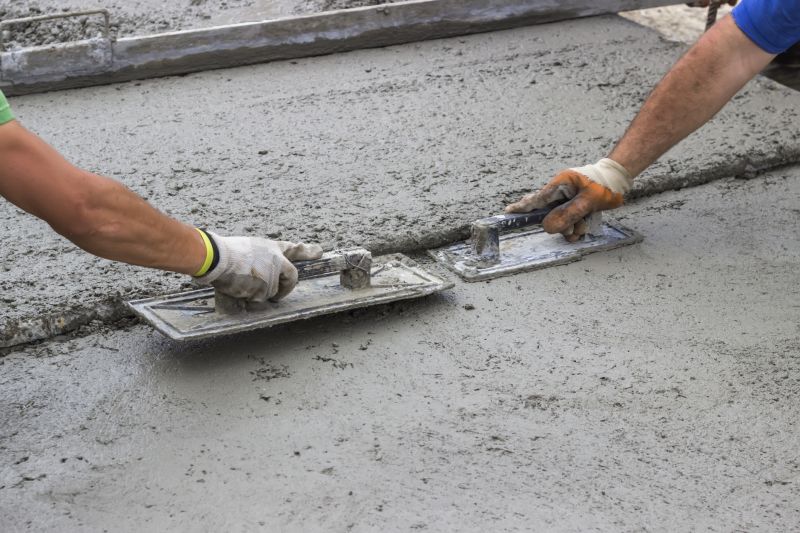
High-end options that actually feel worth it for Concrete Installations.
| Season | Ideal Conditions |
|---|---|
| Spring | Moderate temperatures, low humidity, minimal freeze risk |
| Summer | Longer days, high temperatures, need for shade and hydration |
| Fall | Cooler, stable temperatures, good for large projects |
| Winter | Cold weather, requires heating or additives |
Concrete installations are a fundamental component of many construction projects, providing strength, durability, and versatility. Proper timing ensures optimal curing and long-term performance. Seasonal considerations are essential to prevent issues like cracking, shrinkage, or delayed setting. Understanding local climate patterns and preparing accordingly can significantly impact the success of concrete work.
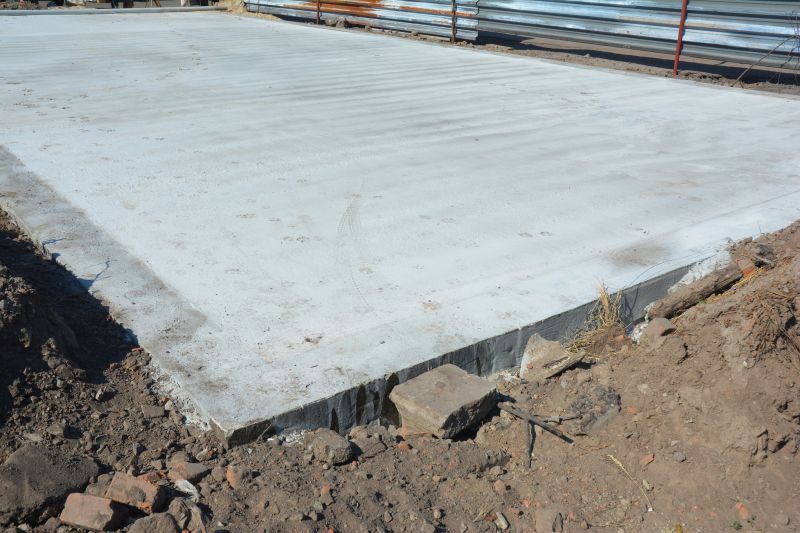
Ideal weather supports strong, durable pours.
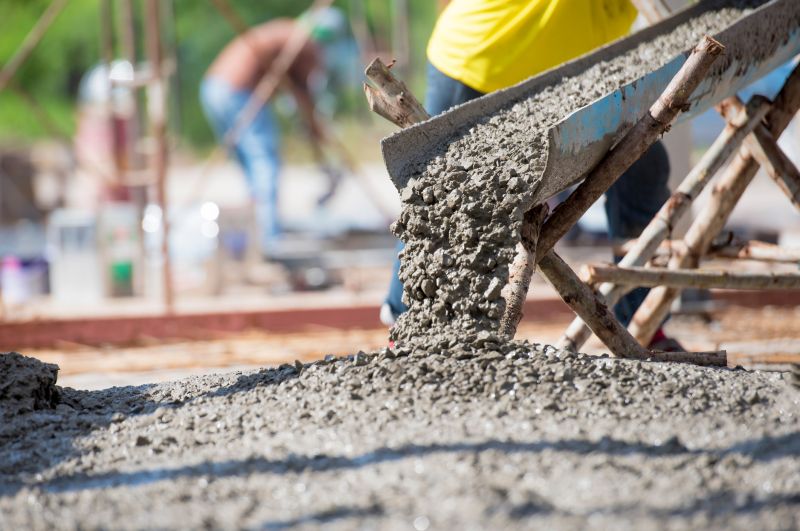
Requires hydration and shade for best results.
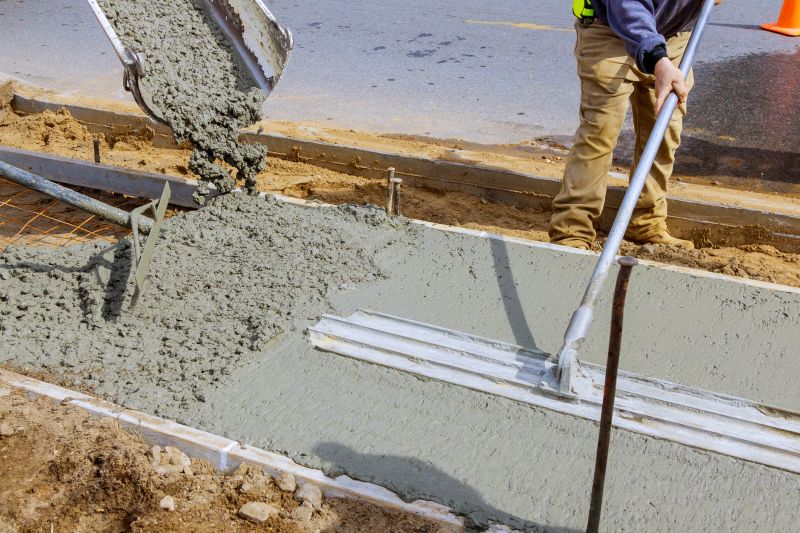
Optimal conditions for curing and strength.
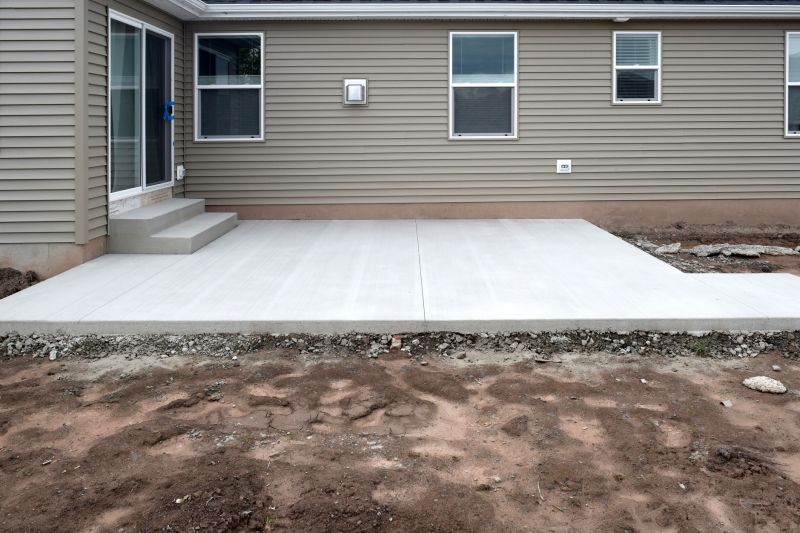
Special measures needed for cold weather.
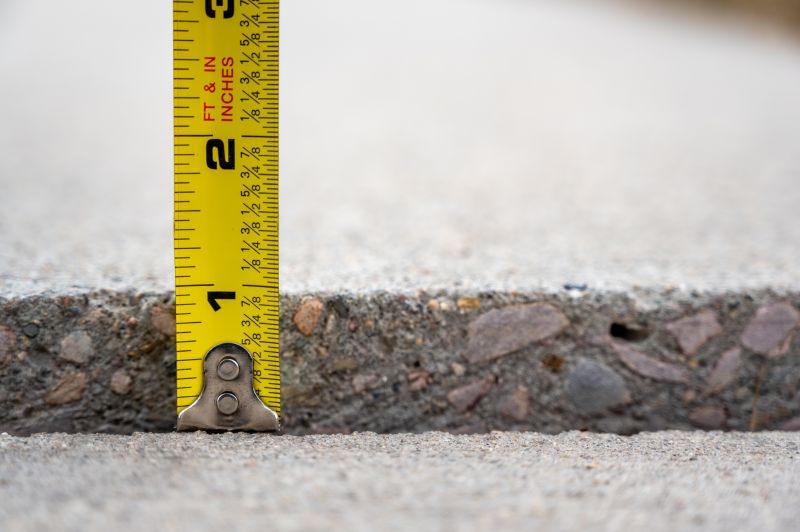
Little measurements that prevent headaches on Concrete Installations day.
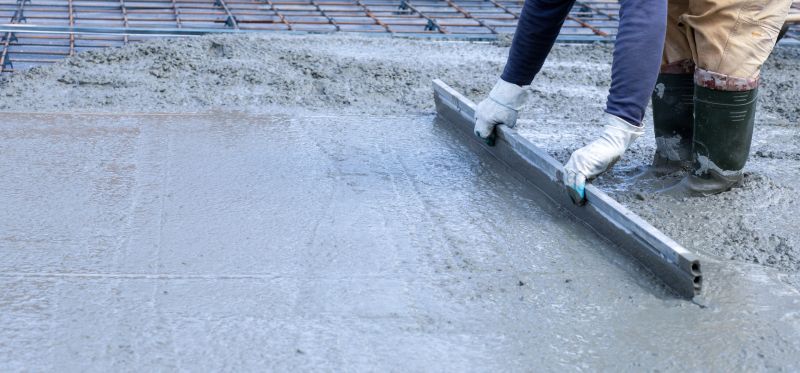
A 60-second routine that keeps Concrete Installations looking new.
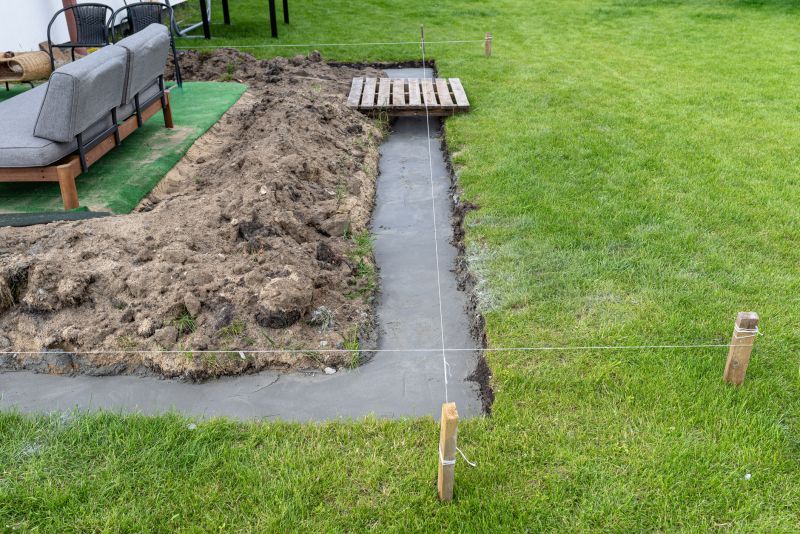
A frequent mistake in Concrete Installations and how to dodge it.
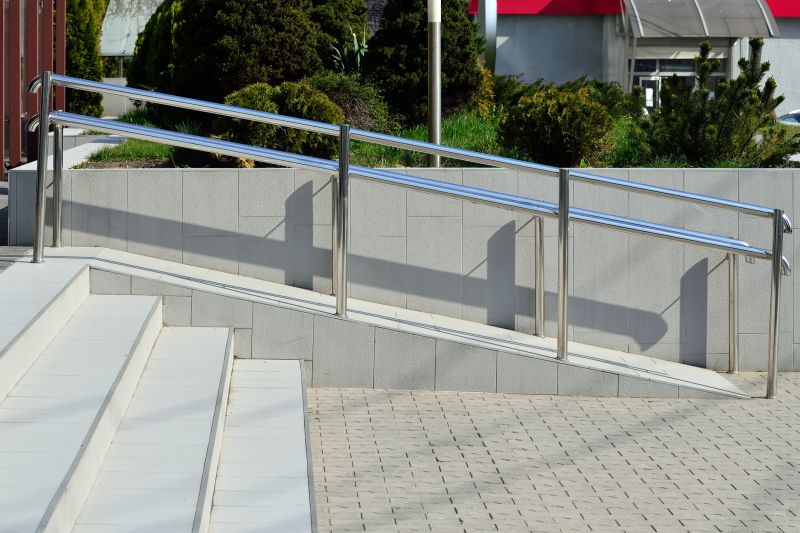
Small tweaks to make Concrete Installations safer and easier to use.
Interested in scheduling a concrete installation? Filling out the contact form can provide more information on suitable timing and project planning for specific needs in Broken Arrow, OK.